
Localised Bite Sized Crime News - Straight from the NCW team, QPS media, Liaison's and Local Independent News & Media Reporters.
ARNIE CASE UPDATE by Katharina Loesche.
Dear communities across Australia, I’m going to level with you, because dancing around the truth helps no one. This past week has been heavy for a lot of us. Many people still don’t understand the sheer effort, resources and heart that went into searching for Arnie. His death didn’t just hurt, it exposed something uncomfortable. Something many of us have felt sitting in our chest ever since. First, the heart. The real heart. People who never met Arnie walked kilometres through scrub. You drove backstreets, gave up sleep, missed time with your kids, stepped away from partners, spent your own fuel money, postponed holidays, shared posts, checked your CCTV and kept turning up. Strangers moved like family. That kind of spirit is rare and worth protecting. But then there’s the other side, and this part I refuse to sugar-coat. Since Arnie’s story went public, something ugly has been growing. People turning his death into a product. Songs. AI content. “Tribute” merch. Page sales. We now have political parties trying to capitalise on the attention. Where were they during the search? Look into who you are handing money over too. Look at who is organising events and vigils. Who is managing the Page pr Group? Ask questions. Dig deeper. Understand intentions before you hand over trust, money and time. Trust us, we have learned the hard way. What is happening here is wrong. It is shameless. It is un-Australian. And it spits in the face of every volunteer who gave everything and expected nothing. I am not writing this to glorify NCW or highlight what we do. Those who care enough to look, know.. I am writing this because this type of passive online manipulative behaviour, is not the way forward for ARNIE nor any other Victim of Crime, and it needs to be called out for what it is. Absolute bullshit . If you are using Arnie’s death to make money, gain followers, build influence or ride this tragedy for your own agenda, hear this clearly. You will be called out. You will be named. Not out of anger, but out of duty to the people who acted with integrity and heart. This is why the ARNIE Initiative exists. Animal Response and Neighbourhood Intelligence Exchange. This initiative was built by the people who were actually on the ground searching and watching online for any hint of evidence. People with soul. Pet lovers, Lost and Found groups, community volunteers , NCW teams , the RSPCA and Off-Duty Police and Rescue persons. No one charged a cent. No one asked for anything. Everyone moved because it was the right thing to do, for ARNIE . So here is my ask. Look deeper before you donate to anything. Do not hand your money over to people cashing in on grief. Those in grief will never ask that of you. Your voice matters more than your wallet. Please remember... You don’t buy your way into Parliament. You get through those doors with integrity, truth and a community that refuses to be bought. Real change is driven by people, proof and purpose, not profit made from death. Be a voice for Arnie. Speak up for the voiceless. No money necessary. Thank you. Damion Douglass Neighbourhood Crime Watchers - Community Intelligence #ARNIE #NCW #ForArnie #CommunityStrong

“NCW Makes QLD History with the State’s First Community Intelligence Capability”
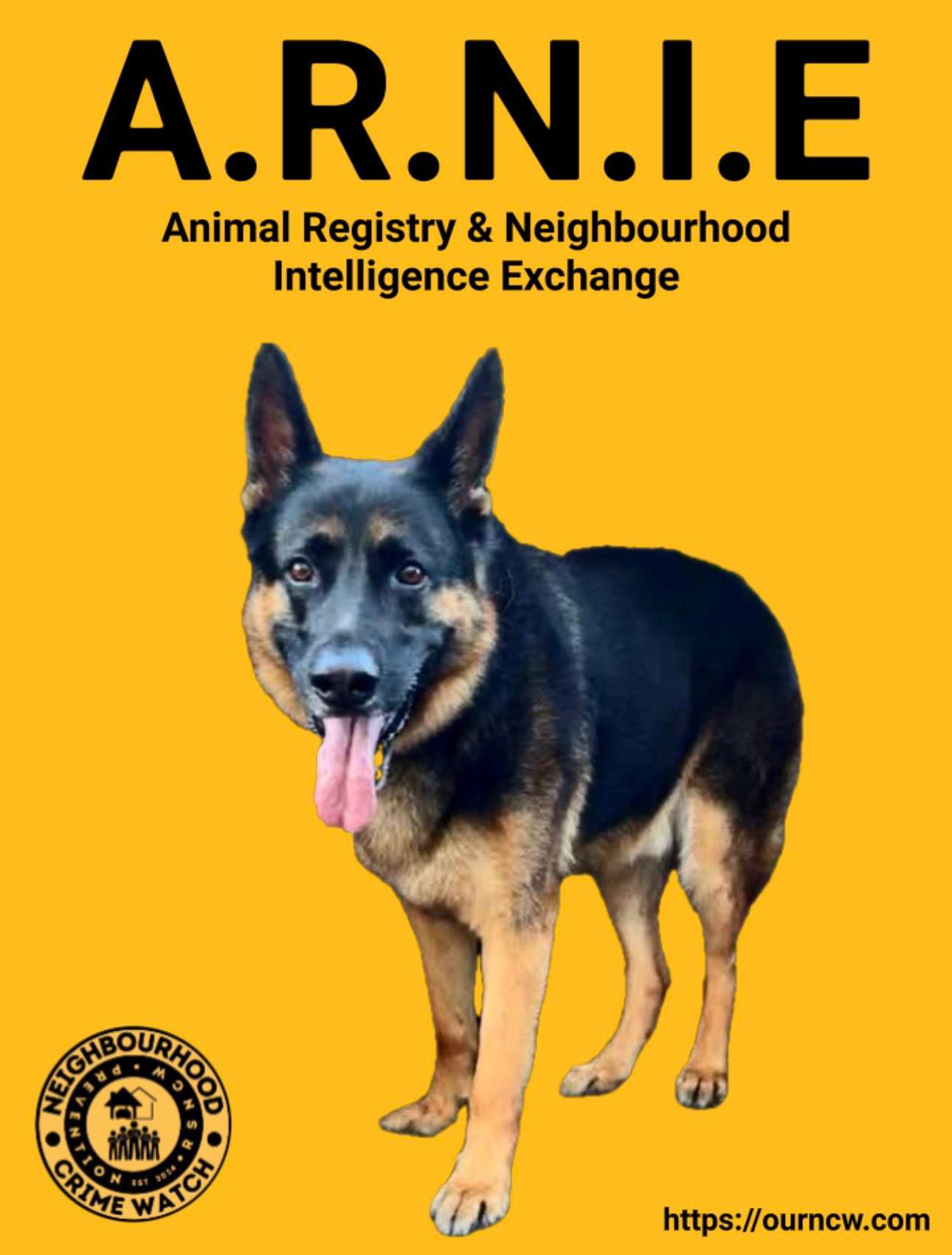
“Don't Fu## with Pets" - NCW
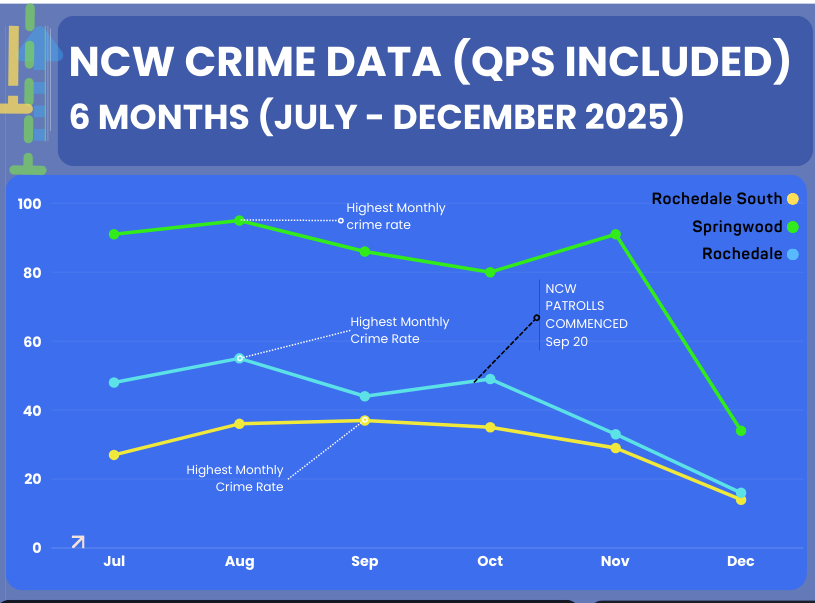
Rochedale South & Rochedale OCT-NOV

Rochedale South Community Crime Update - August 2025